
During the summer of 2023, Phoenix, Arizona, endured a streak of heat so unrelenting that saguaro cacti were collapsing in the streets. For thirty-one consecutive days, temperatures broke 110 degrees. Playgrounds sat empty. People navigated the city by dashing between buildings chilled to refrigerator temperatures. In Phoenix, air conditioning is not a luxury. It is a vital piece of survival infrastructure. If the power goes out during a heatwave, the consequences are immediately life-threatening.

In Phoenix, the ultimate invisible lifeline is the electrical grid. Cultural anthropologist Gretchen Bakke describes the grid as the largest machine in the world, yet it remains almost entirely illegible to the public. Most people only interact with it through a confusing monthly bill. Behind that piece of paper is a massive physical network. Electricity is generated at large power plants and pushed across heavy transmission lines before being stepped down at neighborhood substations to ensure a safe voltage.
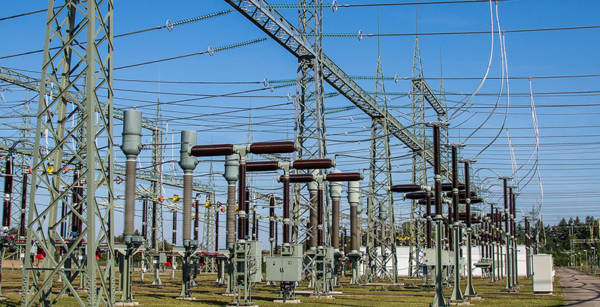
What makes this system particularly fragile is its timing. Electricity is incredibly fresh. When someone turns on an air conditioner, the power running it was generated just moments prior. Historically, the grid lacks large-scale storage, meaning electricity is consumed almost the instant it is produced. Grid operators are forced to maintain a perpetual balance between supply and demand, keeping the alternating current pulsing at exactly sixty hertz. If that frequency drops, the entire system risks a cascading failure. Phoenix does not do this alone. The city sits within the sprawling Western Grid, an interconnected network stretching from Canada to Mexico where utilities constantly coordinate to keep power flowing.
Locally, the responsibility of keeping the lights on falls to the Salt River Project, a public power utility. At SRP, Senior Director of Resource Management Angie Bond-Simpson oversees the complex forecasting required to prevent blackouts. Her team looks years ahead to anticipate population growth and climate shifts while also managing daily needs. Planners build a daily stack of energy sources, prioritizing weather-based renewables like wind and solar before tapping into dispatchable resources like natural gas that can be turned on like a faucet. Once the daily plan is set, it gets handed over to real-time operators working in a surprisingly quiet control room. They monitor the system constantly, adjusting on the fly to handle sudden drops in wind or localized outages.

The true stress test for these operators arrives in the summer. During the brutal heat of 2023, the system held up, but operators faced consecutive days of peak demand with a razor-thin margin for error. With Phoenix ranking as one of the fastest-growing cities in the United States and massive industrial users like data centers moving in, the challenge of maintaining that perfect balance grows steeper every year. Building the infrastructure to support that growth can take a decade, meaning the grid is always racing to catch up with a rapidly arriving future.
What infrastructure mystery keeps you up at night? Submit your Service Request by recording a voice memo with your question and emailing it to [email protected].
Service Request is a production of 99% Invisible and Campside Media.




Leave a Comment
Share