
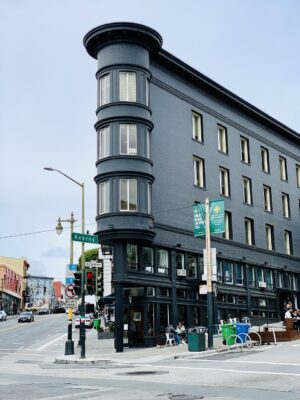
Walking through San Francisco’s North Beach neighborhood with an empty cup in hand after grabbing a slice of pizza at Tony’s, 99PI host Roman Mars faced a surprisingly difficult urban challenge: finding a public trash can. This minor frustration opens up an investigation into one of the most fundamental services a municipality provides. The absence of a simple receptacle reveals a complex system of behavioral psychology, municipal budgeting, and waste engineering, leading host Delaney Hall to investigate how the city manages its street-level infrastructure for an episode of Service Request.
 San Francisco Public Works oversees roughly 3,000 public garbage cans, prioritizing placement near transit stops, schools, and busy commercial corridors. Rachel Gordon, the Director of Policy and Communications for the department, explains that the city also relies on public feedback and municipal requests to determine where new bins should be placed. However, managing this network is about more than just logistics. In 2017, the city launched the “Yes We Can” pilot in the Mission District, saturating a thirty-block radius with bins to test a widely held assumption that more receptacles would equal less litter.
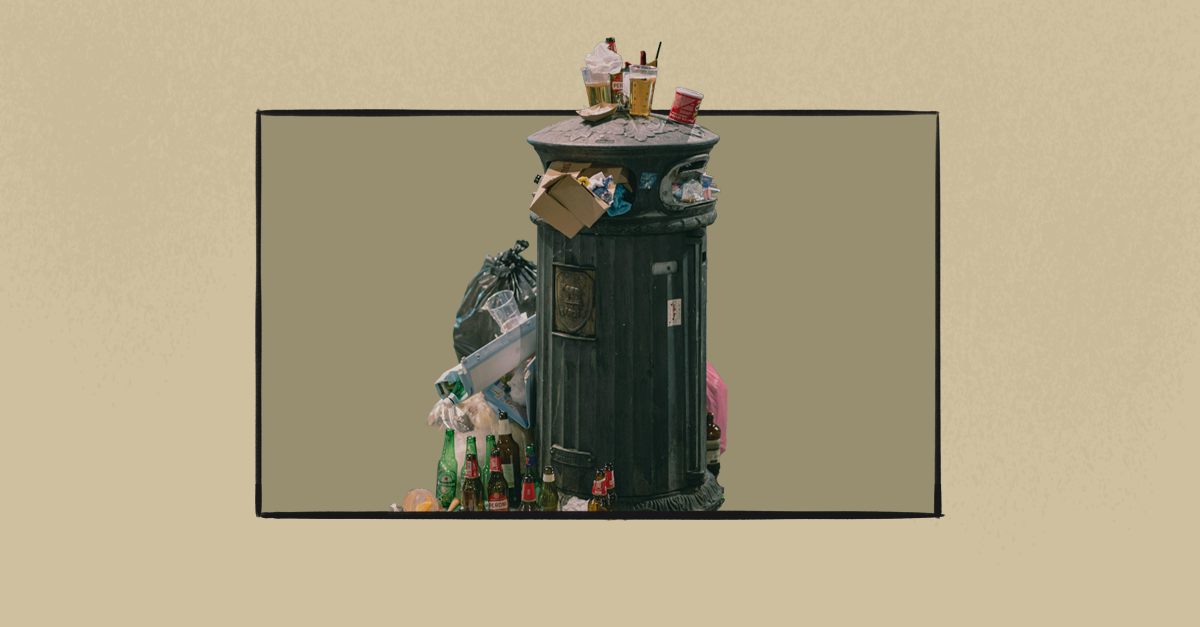
Surprisingly, the sheer volume of cans did little to change human behavior. Pedestrians continued to drop wrappers right next to the bins, highlighting a local culture of waste where some treat public sidewalks like a hotel maid service, assuming a city worker or private contractor will inevitably sweep in to clean up the mess. This behavioral paradox led the city to pivot from increasing the quantity of bins to improving their quality. The existing “Renaissance” cans, deployed back in 1993, were aging and constantly battered by graffiti, vandalism, and aggressive foraging.
To find a sturdier replacement, the city developed three custom prototypes and selected three off-the-shelf models, deploying them across fifty-two diverse locations for real-world stress testing. The initiative quickly became a lightning rod for local pothole politics, drawing national media ire over the twenty thousand dollar price tag attached to the custom prototypes. However, this upfront cost was simply a standard research and development expense for fabricating one-off industrial designs engineered to withstand the unique rigors of the street.
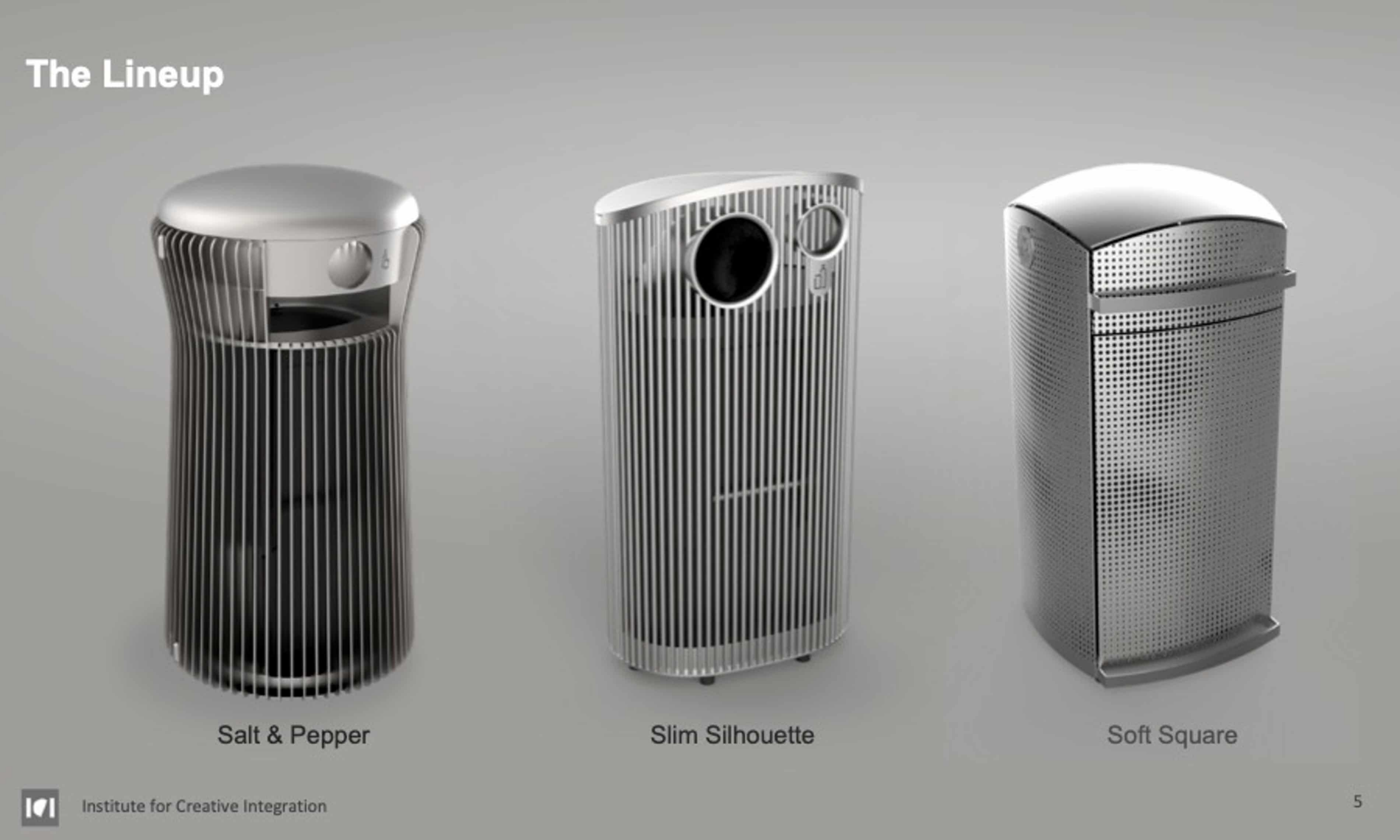
After nearly 14,000 residents weighed in via QR codes, the city selected the “Slim Silhouette,” a narrow design wrapped in exterior stainless steel bars to deter graffiti. Now slated for mass production at a much more reasonable unit cost of around thirteen hundred dollars, the bins have been fine-tuned to accommodate larger items and feature hardened locks. Ultimately, finding the perfect intersection of aesthetics and utility proves that navigating the fraught municipal politics of a simple garbage can is a surprisingly complicated job.
Service Request is a production of 99% Invisible and Campside Media.


Leave a Comment
Share