
For a brief period at the turn of the 20th century, much of the Western world believed that the ultimate cosmic question had been answered: humanity was not alone. The public was captivated by the idea of an advanced alien civilization living on Mars. Science journalist David Baron, author of The Martians, says this extraterrestrial craze permeated American culture, inspiring Broadway plays, vaudeville skits, and widespread media coverage. At the center of this mass delusion was Percival Lowell, a wealthy amateur astronomer with a fragile ego and an unwavering belief in Martian life.
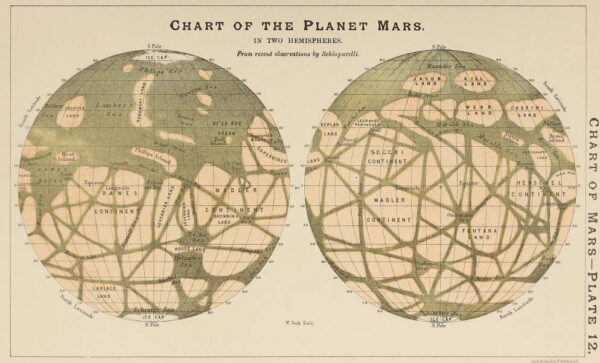
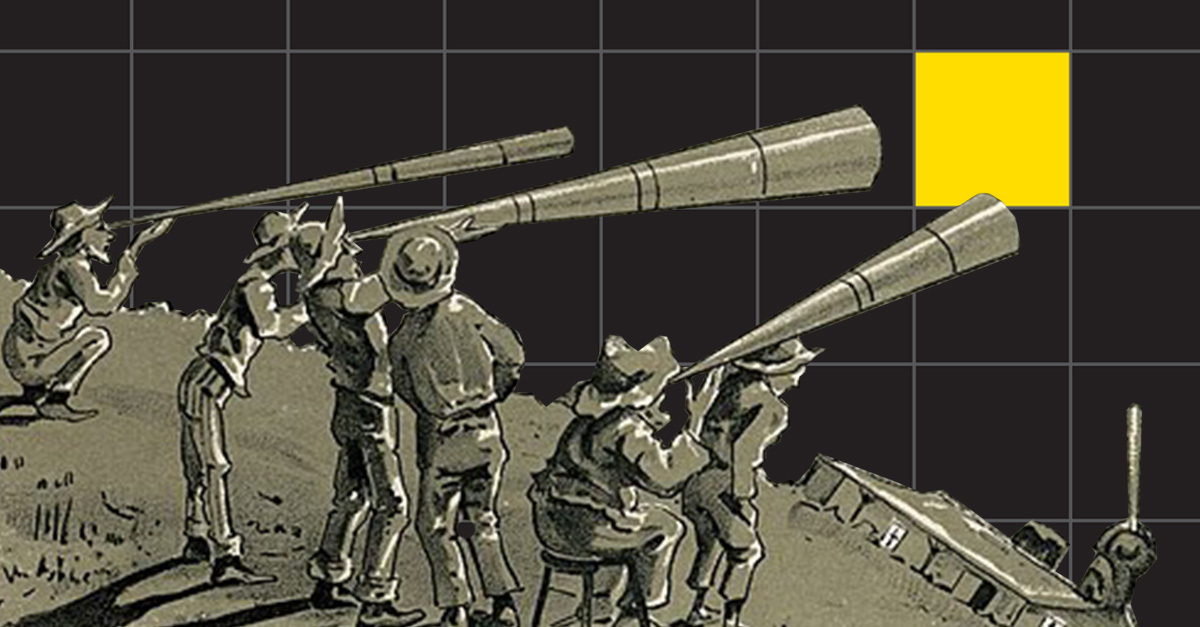
Lowell, hailing from a prominent New England family, decided to dedicate his life and vast resources to astronomy. He was particularly drawn to the mysteries of Mars, inspired by earlier observations by Italian astronomer Giovanni Schiaparelli, who had mapped a series of fine lines on the planet’s surface. But Lowell went a step further. 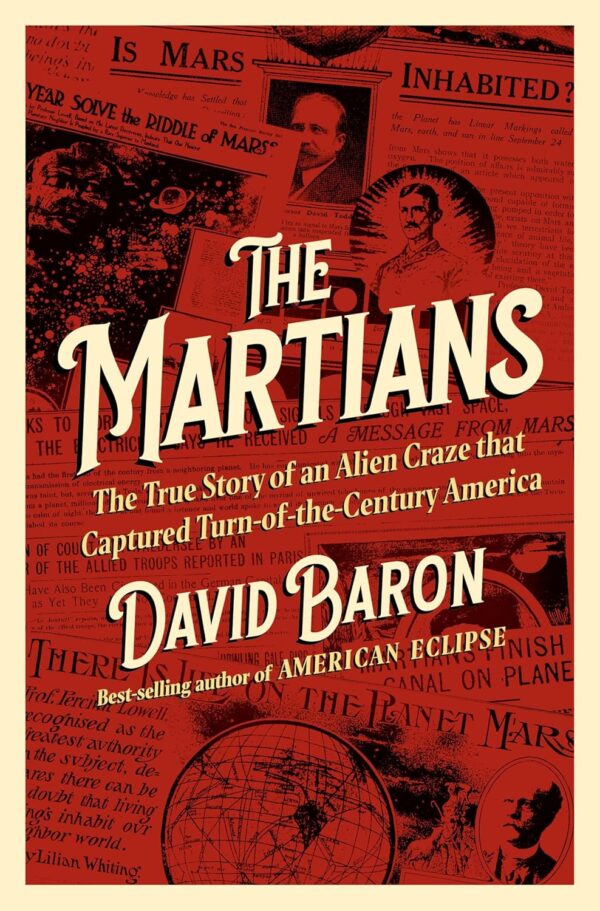 He established a state-of-the-art observatory in Flagstaff, Arizona, and developed a grand, coherent theory of what the lines could be. He proposed Mars was a dying, drying planet, and its inhabitants had constructed a massive, planet-wide irrigation network of canals to transport meltwater from the polar ice caps to their cities. This utopian vision of a unified Martian society working together to survive resonated deeply with an American public grappling with the harsh realities of the Gilded Age, labor unrest, and political violence. Lowell was an articulate and persuasive speaker who popularized his ideas through public lectures and magazine articles. The sensationalist yellow press eagerly amplified his claims, and even brilliant minds like Nikola Tesla believed they were intercepting radio signals from the red planet. The public looked to Mars not just with scientific curiosity, but with a profound existential hope that these superior beings might hold the answers to humanity’s earthly problems.
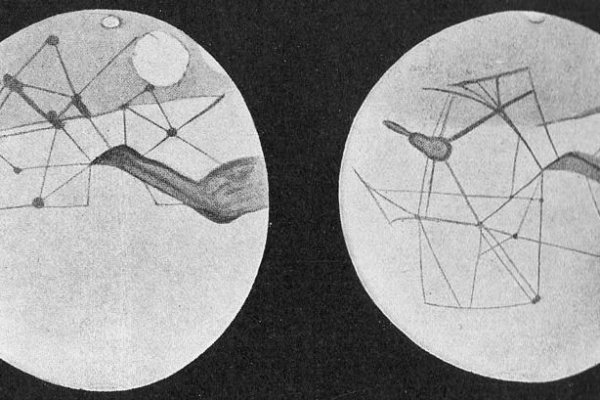
However, observing Mars through the Earth’s distorting atmosphere was notoriously difficult, requiring astronomers to connect fleeting glimpses of a wobbly, out-of-focus orb. Skeptics began to argue that Lowell’s canals were merely optical illusions. The definitive blow came in 1909 when Eugène Michel Antoniadi, an astronomer who had previously mapped the canals himself, used one of Europe’s largest telescopes during a night of exceptionally clear viewing. With perfect visibility, the straight lines completely vanished, replaced by natural planetary features.
Despite mounting evidence and shifting scientific consensus, Lowell stubbornly refused to abandon his theories, taking his belief in the canals and a Martian civilization to his grave. Yet, while his conclusions were ultimately flawed, his enduring legacy is one of boundless imagination. His passionate pursuit of extraterrestrial life captivated a generation, inspiring future scientists and dreamers to look up at the night sky and envision the possibilities of outer space.


Leave a Comment
Share