
In the mid-1970s, New York was broke, crumbling, and on the edge of collapse. Garbage piled up on sidewalks, unions fought bitterly with City Hall, and bankers refused to buy the bonds that kept the city running. The sense of crisis reached its peak when the Daily News captured the mood with one of the most famous headlines in American history: “Ford to City: Drop Dead.”

The documentary Drop Dead City revisits this pivotal moment and captures a city struggling to hold itself together as basic services faltered, police and sanitation workers staged dramatic protests, and the federal government hesitated to intervene.
What emerges is more than a story of fiscal mismanagement. It is a portrait of a turning point in the identity of New York. A city once defined by unions, public services, and free tuition at CUNY shifted toward an era dominated by austerity, privatization, and the financial sector.
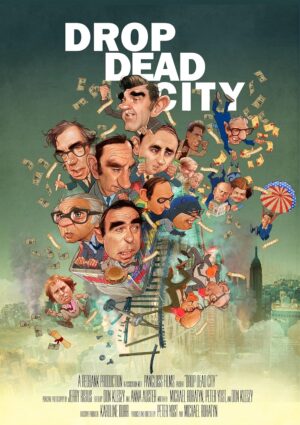 For those of you who followed along with 99% Invisible’s breakdown of The Power Broker (by our hero, Robert Caro), Drop Dead City feels like an unwritten epilogue. The same instruments of power that Moses relied on became the tools that nearly broke the city. Watching this story unfold helps explain not only how New York survived the 1970s but also why it looks and feels the way it does today.
Drop Dead City is now playing in select cities, and available on VOD on November 14.


Leave a Comment
Share