
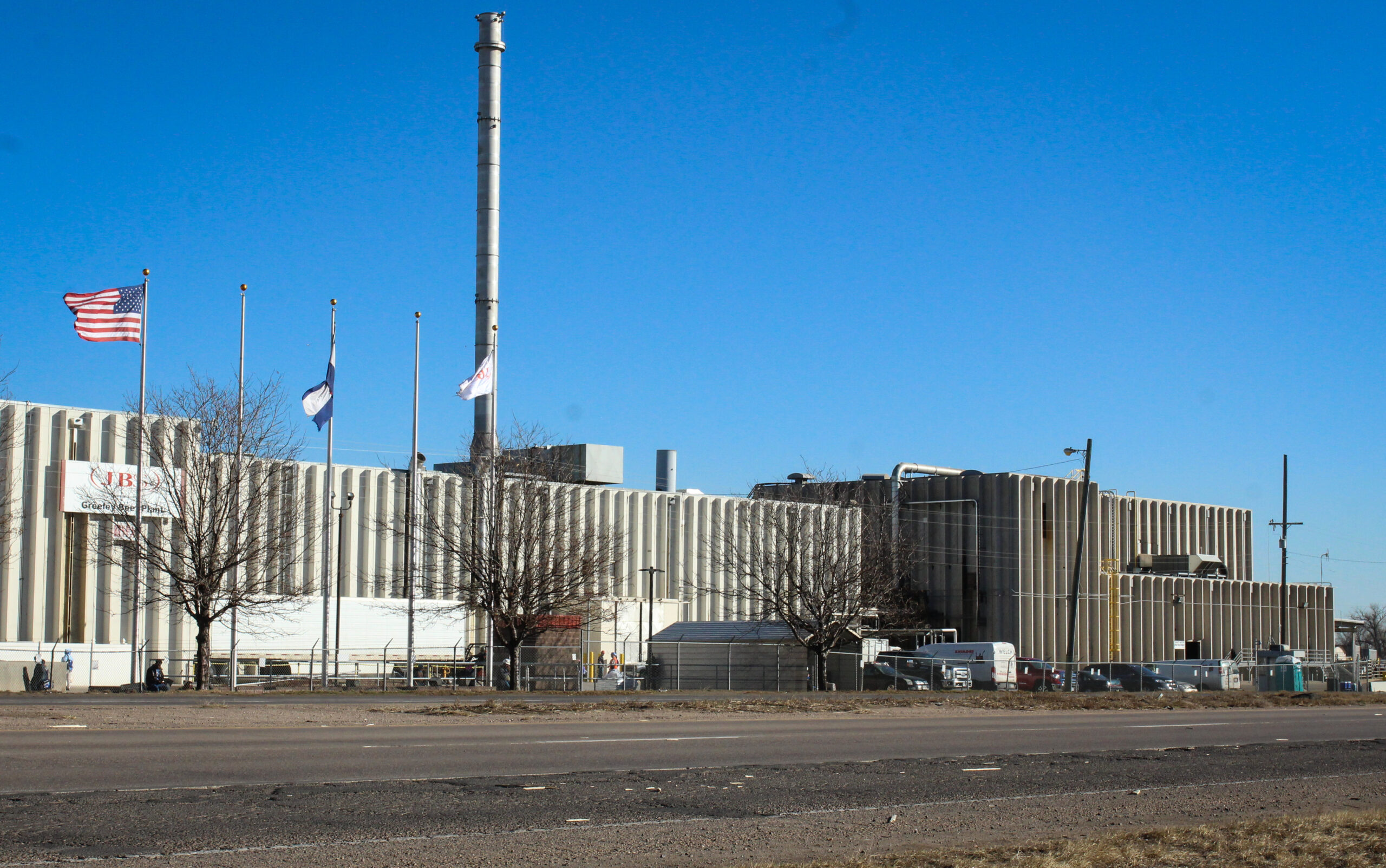
Greeley, CO is a city defined by cattle. It’s home to the U.S. headquarters of JBS, the world’s largest meat processor, and the meatpacking plant is one of the biggest employers in town. For decades, the industry has shaped not only the local economy but also the community itself.
From the outside, many imagine Greeley as a classic cowboy town: conservative, agricultural, and mostly white. But the reality is far more complex. In recent years, Greeley has become a destination for refugees from around the world, drawn – sometimes unwittingly – into the demanding, dangerous work of meatpacking.
From Refugee Camps to the Factory Floor
Consider Mohamed, a Burmese refugee who fled persecution and spent years in a camp before being resettled in the United States. In 2015, he arrived in Greeley. Within a month, a caseworker had secured him a job at JBS. Mohamed didn’t know he’d be working in a slaughterhouse until his first day.
His job was brutal: using an electric knife to skin cow legs as hundreds of carcasses moved past each hour. The pace was relentless, the labor exhausting, and the risk of injury constant. Mohamed eventually hurt his hand so badly that he could no longer make a fist. Even so, he wanted to return to work – because he had bills to pay and a family to support overseas.
Mohamed’s story is not unique. Many refugees in Greeley have found themselves on the JBS line, often with little English, few alternatives, and immense pressure to become “self-sufficient” in a matter of months.
The Dangerous Reality of Meatpacking
Meatpacking is among the most hazardous industries in the country. Workers use sharp knives and electric saws in close quarters, often for long shifts with few breaks. Injuries are frequent and severe, from repetitive stress disorders to amputations. Research shows the industry averages about two amputations a week nationwide.
Unlike assembly plants, where workers build products, meatpacking workers disassemble animals at staggering speeds. In many meatpacking plants, up to 450 cows are processed every hour. It’s a system designed for efficiency and profit, but it churns through human bodies in the process.
The conditions make turnover extremely high. For decades, the industry has relied on a steady stream of vulnerable new workers – first European immigrants in the early 20th century, then Mexican and Central American laborers, and now refugees.
A Long History of Immigrant Labor
This cycle dates back more than a century. In 1906, Upton Sinclair exposed the horrors of Chicago’s slaughterhouses in The Jungle, describing exploited immigrant laborers and unsanitary conditions. While the public reacted most strongly to fears about tainted meat, Sinclair’s work also revealed how meatpacking depended on poor, desperate newcomers.
The mid-20th century briefly changed that dynamic. Jobs became unionized, wages rose, and meatpacking workers earned middle-class lifestyles. But in the 1960s, companies relocated plants to rural America to cut costs and to escape urban unions. That shift eroded wages and protections, and once again the industry turned to immigrants willing to accept dangerous, low-paying work.
By the 1980s, recruitment extended directly into Mexico, and by the early 2000s, about one-third of Greeley’s population was Latino. But the 2006 ICE raids at Swift & Company (later acquired by JBS) wiped out part of the workforce, forcing the company to look elsewhere. That’s when refugees became the next labor pool.
How the Refugee System Feeds the Industry
America’s modern refugee resettlement program, established by the Refugee Act of 1980, was designed with good intentions: to offer safe haven and a path to stability. But it was built with a major flaw – an emphasis on “economic self-sufficiency.” Refugees are expected to find jobs within three months of arrival, even if they lack language skills or transferable experience.
For resettlement caseworkers juggling dozens of families, meatpacking became one of the most reliable options. Plants always had openings, didn’t require English, and paid better than agricultural fieldwork. Some refugees were connected with these jobs almost immediately, with little time to adjust or retrain.
As one former job developer recalled, he felt like he was “selling a product” to companies like JBS and Tyson – delivering vulnerable people to fill dangerous jobs.
Greeley Transformed
Each new wave of workers has reshaped Greeley. The city that was once mostly white, then heavily Latino, is now strikingly international. Refugees from Burma, Somalia, Eritrea, and the Democratic Republic of Congo walk the same streets as Mexican immigrants who arrived decades earlier. Downtown has seen the arrival of halal markets, East African restaurants, and a growing Muslim community.
This transformation hasn’t always been smooth. There were protests, hostility toward mosques, and fears rooted in post-9/11 suspicion. But over time, support networks grew: ESL programs in schools, evening English classes at the library, and nonprofit groups like the Immigrant and Refugee Center of Northern Colorado that help newcomers navigate everything from doctor visits to phone bills.
Despite these resources, many refugees remain tied to JBS. It’s the job that doesn’t require English, experience, or education.
The Future of Meatpacking Labor
Today, about 40 percent of America’s meatpacking workforce is foreign-born, and the industry has the fifth highest concentration of refugee workers in the country. Yet refugee admissions to the U.S. have slowed dramatically, leaving companies once again scrambling to fill positions.
History suggests the cycle will continue: when one labor source is cut off, the industry will find another vulnerable population to take its place. Whether through immigration raids, refugee program cuts, or political backlash, the demand for meat rarely slows – but the workers behind it remain disposable.
As Sinclair observed more than a century ago, America’s meat depends on the labor of those with the fewest choices. Refugees fleeing persecution come seeking safety and opportunity, only to end up on the factory floor. The system may not have been designed with meatpacking in mind, but the result is the same: the country’s dirtiest work rests on the shoulders of its most vulnerable people.



Comments (1)
Share
If we stopped eating meat, these dangerous positions wouldn’t need to be filled. Veganism isn’t just about not wanting to torture and murder animals. It’s also a human and workers rights issue.